
“We joke that we became a food hub overnight,” said Laura Torres, the Director of the Smoky Mountain Harvest Hub (SMHH) in Waynesville, NC. This food hub, which aggregates from farmers across the region, distributes most of their produce via Haywood Christian Ministry (HCM), the highest volume food pantry in MANNA FoodBank’s service area. What happened overnight? Hurricane Helene.
Torres, who was hired by HCM three days before Hurricane Helene hit Western North Carolina with overwhelming flooding and devastation, was part of the team that HCM organized to meet the needs of both individuals and farmers alike. Funding from generous donors allowed HCM to purchase produce, meat, and other goods at market value from farmers who lost most, if not all, of their markets due to the flood.
Since then, SMHH has continued to purchase from local and regional producers at market rate, thanks to generous donations and support from MANNA FoodBank. But they do much more than that for their community. In fact, ever since the food hub opened in 2024, it is as if they are living out the classic children’s book If You Give a Mouse a Cookie. Each role within the food system that SMHH has stepped into has revealed another gap, and another opportunity to step up. Below are just some of the ways in which SMHH and HCM are carrying out that work.
Addressing Food Insecurity with Equity
In the past, SMHH worked with Manna in managing contracts made possible by the Local Food Procurement Act (LFPA), which provided food banks and pantries funding to purchase direct from local and regional producers. They also distributed healthy food boxes via the North Carolina Healthy Opportunities Pilot (HOP). Both programs were terminated in March and July of 2025 respectively, however the work has continued (HOP did receive nonrecurring funding for this year). SMHH are operating at a high volume, high capacity space within the food system, both in emergency distribution and creating market access for producers.
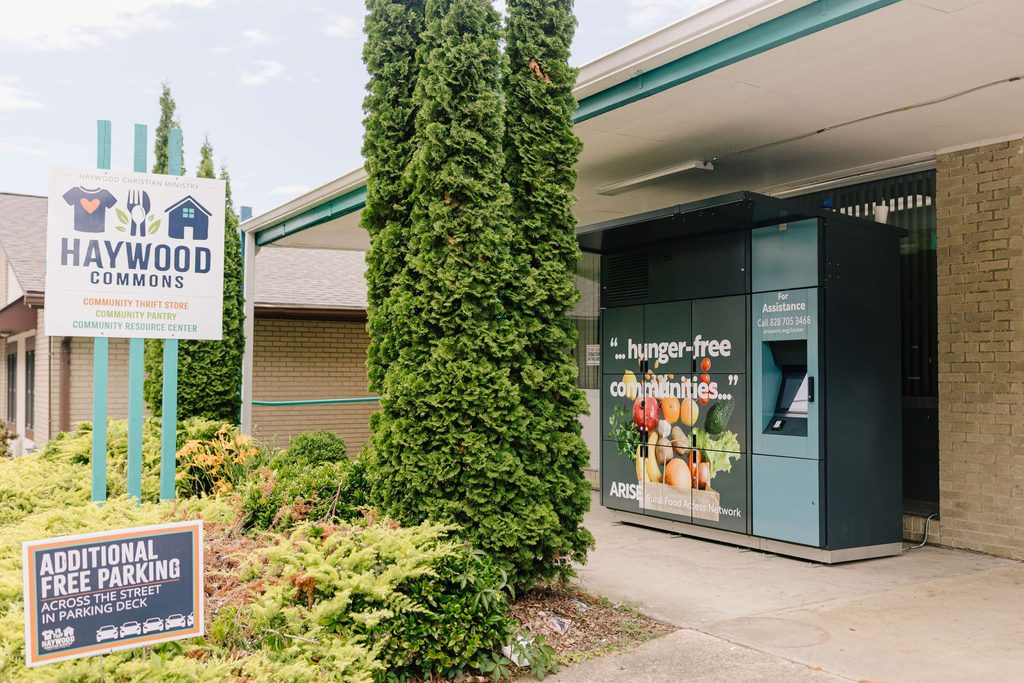
“Good food shouldn’t be accessible only if you can make it to Waynesville,” proclaimed Blake Hart, the Executive Director of Haywood Christian Ministry. Meeting the food needs of Haywood County residents post-Helene revealed significant barriers to access, like flooded roads, destroyed bridges, and unreliable transportation. This directed HCM to open up food lockers throughout the county: temperature controlled, secure spaces where individuals could order and get the food they needed on their own terms. Customers can access the lockers every other week and order food with their dietary preferences in mind. What was originally a response tied to hurricane relief became a way to alleviate food insecurity in the rural areas of the county.
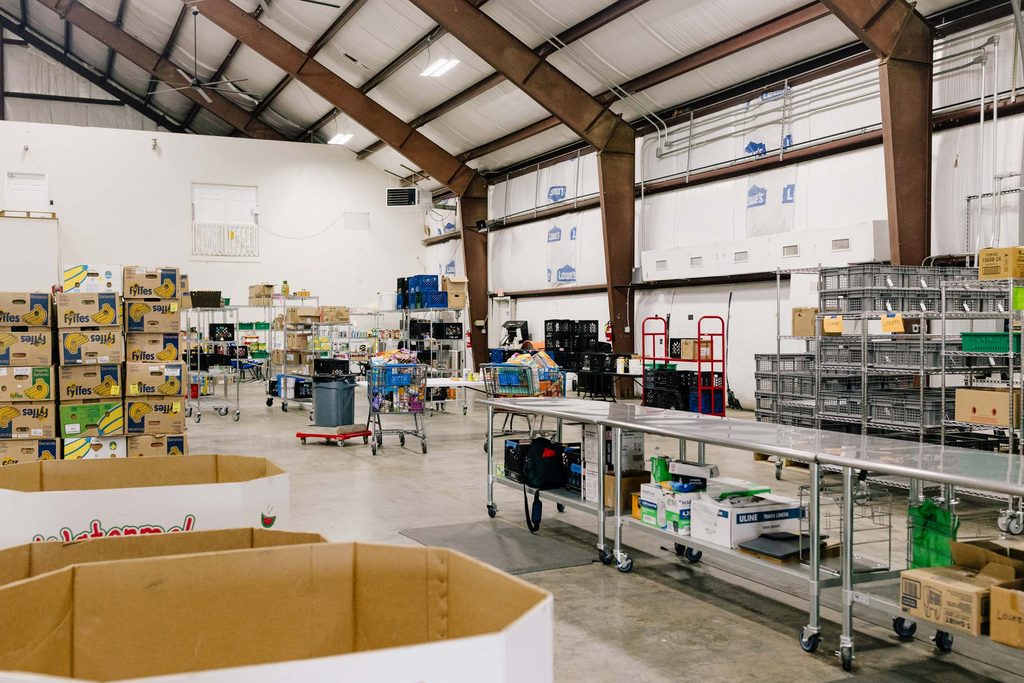
SMHH can continue to provide fresh, local food to HCM’s pantry, food lockers, and mobile pantry because of their remarkable storage capacity. They have a shipping container within their warehouse where the temperature sits steadily at 50 degrees, thus creating a modern root cellar to store root vegetables. This doesn’t use as much electricity, but it extends the shelf life of fruit and vegetables. They also have an industrial freezer and refrigerator, so they are prepared and able to accommodate food that is critical for a healthy diet: fruits, vegetables, dairy, meats, and more.
Bolstering Market Access for Farmers
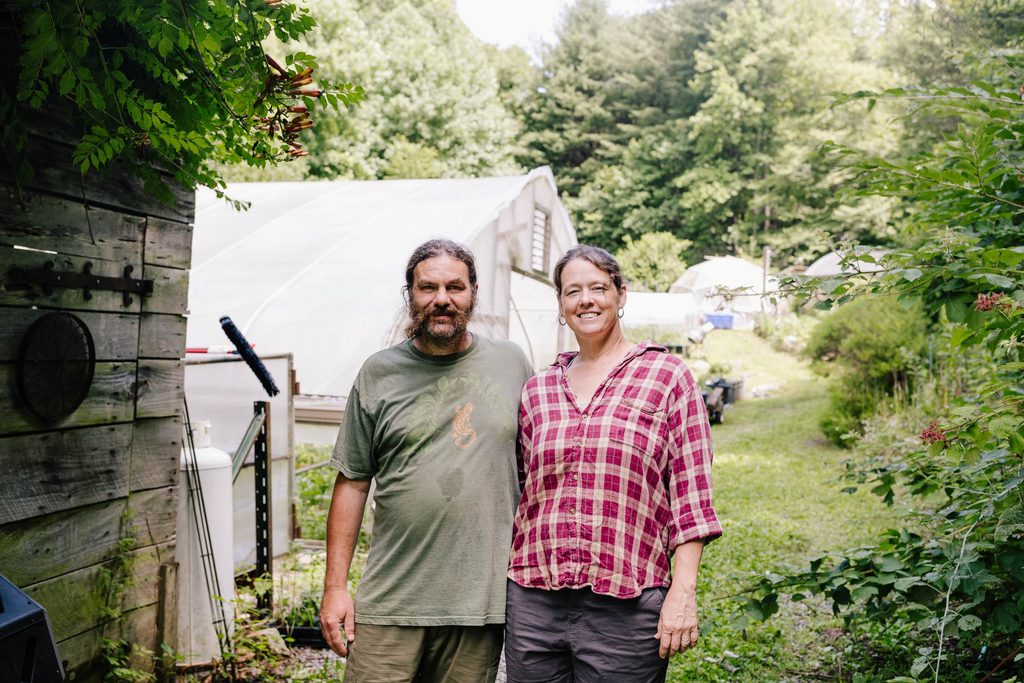
“Whether the funding came through USDA in the past or through MANNA’s current local food purchasing program, the goal has remained the same: to create a reliable market for farmers without asking them to discount their products,” said Torres. “We know that [this] kind of consistent, fair-priced purchasing relationship is an important part of building a stronger local farm economy.” This commitment is reflected in their work: the Food Hub has purchase agreements with 20-30 farmers on any given week (depending on the season and demand) and distribute it via HCM’s food pantry three days a week.
Part of the vision of the food hub was that it would strengthen farm viability and the local economy, and while it has done that, the potential to make a larger impact remains to be seen. Because they are GAP certified and work with Armark Food Services, are able to contract with institutional buyers (such as universities, hospitals, etc.) who can pay for their goods at a fair rate. This brings in another revenue stream for SMHH, and does not force them to rely on donations to support their free food distribution efforts.
Extending The Shelf Life
SMHH purchases from producers, but they also receive thousands of pounds of donated food from corporate box stores like Walmart. With so much food coming in, and in various conditions, SMHH has had to get creative in order to keep food fresh and prevent it from going to waste.
One solution is a commercial kitchen within their food hub warehouse (currently under construction). The goal and role is twofold: first, they hope to take produce that is still relatively fresh (but not quite good enough for distribution) and preserve it, either through flash freezing, canning, or takeaway meal prep. Second, they want this kitchen to be available for farmers and other small business owners to use, in order to prepare value added products and other items for sale (for example, Sustainabillies, a partnering farmer, would directly benefit from this kitchen space, as they want to process wasabi and other items that would stretch the shelf life of the product and thus make them more valuable). Third, there are endless possibilities for this kitchen to be used to promote nutrition education: cooking classes, canning classes, and more.
While this is typically a role and service that N.C. Cooperative Extension provides, their county office is often under-staffed and under-funded, and have not had the ability to take on a community kitchen project like this one before.
Waste Not, Want Not
Another way to manage food waste? Compost. On a weekly basis SMHH receives thousands of pounds of produce from Walmart and Sam’s Club that is at the end of its life, not viable for redistribution. By the time it gets to them, they spend many volunteer hours culling it to ensure that what can be salvaged is salvaged and stored properly. The rest they have been throwing out.
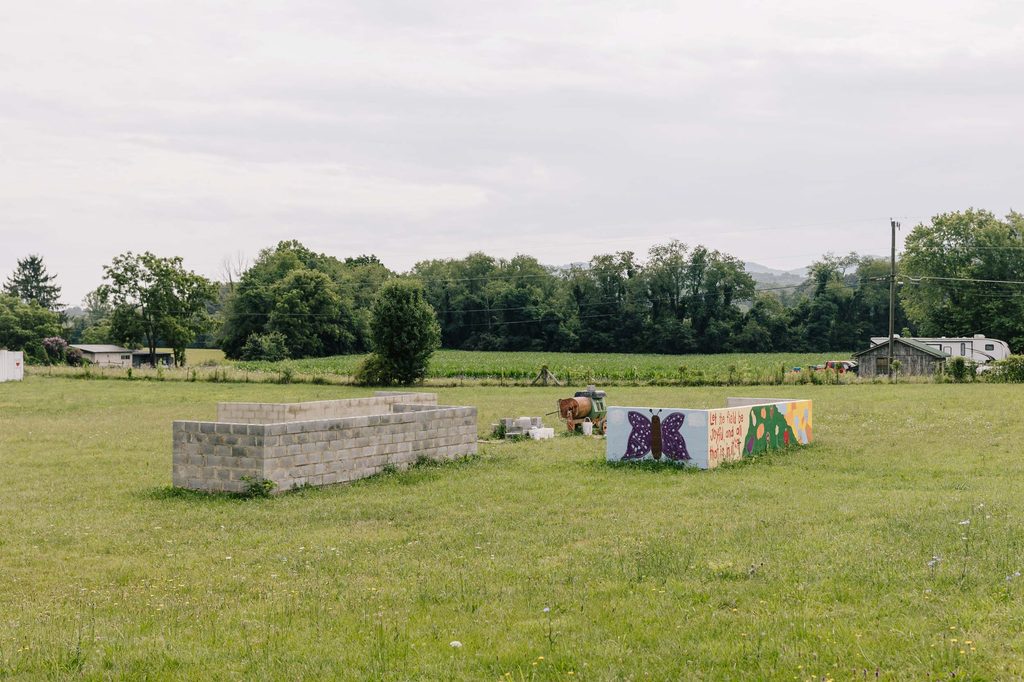
At the same time they have been receiving feedback from farmers that they need a more reliable source of good quality compost. What has been available usually contains large sticks or is generally low in quality. As necessity drives innovation, SMHH has (again) stepped up and decided to begin a composting production. They are now working with N.C.’s Department of Environmental Quality to start a large scale, quick turnaround composting program on site. This way, they have a place to take all of the inedible produce that’s donated and give it new life for their partnering farmers.
Critical, Trustworthy Relationships
“We’re just trying to be a more holistic approach to the needs in the county rather than just feeding people,” remarked Torres. Indeed none of this work that SMHH and HCM has taken on would be possible without authentic, deep relationships between them and the farmers, community members, and supporters. It is evident that they have created a culture of trust and accountability with not only the farmers but other community stakeholders as well.
For small, regional food systems to be successful and to work, trust needs to be there, and it is. It is in part because of their commitment to farmers and consumers as well as their willingness to step in and take on new work, work that is rooted in the expressed needs and wants of their constituents.
Wearing Many Hats
As long as they have the funding, the partnerships, and the staff capacity, SMHH and HCM will continue to carry out this important work within their part of the food system. It is evident that they have built up the systems and the people to make it work, and the need certainly grows. Hart and Torres noted that with the changes to SNAP that came as a result of H.R.1 and the drastic decline in SNAP participation (a 16% decline in N.C. alone), the number of households they serve have increased, as well as household size. Last year they served 2.5 per household, now it’s almost 4 per household. Larger families are coming and the number of visits are increasing as well. In the past six months, they have served 9,000 unique people. That’s normally what they serve in the entire year.
Because HCM puts people and good food at the center of their work, they are busy each day they are open. One volunteer notes that more customers trust HCM because of their grocery store style pantry and availability of fresh produce, therefore they feel busier than other nearby pantries. It is important work that should continue to be supported.
A Good Story But Not the End of the Story
While HCM and SMHH have done a phenomenal job stepping up and stepping in, it should also push us to ask why corporations, institutions, and other players in the food system aren’t stepping up where they should be. Why, for example, is SMHH spending hours of labor and money investing in a composting system to deal with the rotten food that Walmart gets tax-write offs for donating? Why aren’t some county cooperative extension offices able to build and maintain commercial kitchens that can be used by local business owners, farmers, and community members? Why is it that SMHH can put in the infrastructure, labor, and logistical wisdom into shortening the supply chain between producers and people who are food insecure, but still lack contracts with institutional buyers that would guarantee them steady income? And why is it that an organization who relies on donors and grants to distribute food for free does a better job guaranteeing market access for small and midsized producers than grocers or other aggregators?
The hope is that the stories about local and regional food system champions like Haywood Christian Ministry and Smoky Mountain Harvest Hub would propel people to not only support and invest in such efforts, but also to advocate. Advocate and demand a better food system that works for everyone from those who are intended to provide it.