Previously, the Come to the Table Team shared the story of Magnolia Cafe in the town of Dunn, North Carolina. The pay-what-you-can restaurant is a compelling model for many communities, but what we find even more compelling is the Association behind the cafe and so many other good works in town. The work of Dunn United Ministerial Association (DUMA) can be seen throughout the community, because they are the community. DUMA is comprised of 28 affiliated local churches of different denominations, and over the years, they have proved that combining their resources and acts of service allows them to support Dunn in bigger, more holistic ways.
The origin story of DUMA is quite simple: over 30 years ago a group of pastors began meeting to fellowship and pray for the community and one another. Through their conversations, the ministers discovered that they were serving many of the same people in the community, so they decided to work smarter, not harder. DUMA Executive Director, Todd Snyder, shares the history of the association. “They decided to have a single fund and location that all of the churches could contribute to…that was when DUMA started their Benevolence program,” which provided financial assistance to community members in need.
“Fast forward to 2013, the pastors at the time and a local visionary, Mayor Oscar Harris who had been donating to DUMA for many years, decided that the concept worked so well with financial assistance, that the churches that had food pantries should pull them all together to a central location instead of having many little pantries around town. So in 2013 Mayor Oscar Harris donated a space that is still the current location of DUMA.”
“Oscar was one of the most profound visionaries of our time,” adds Snyder. “He helped form the Benevolence plan with the pastors and saw the impact that a ecumenical group of churches all coming together for one purpose could have on the community.”
Mayor Harris saw the impact this group had on the community and asked Snyder, former manager at Food Pantry at Glad Tidings, to join them as Executive Director. He helped plan a distribution layout design that would process the families as quickly as possible and start developing partnerships that could help DUMA grow.
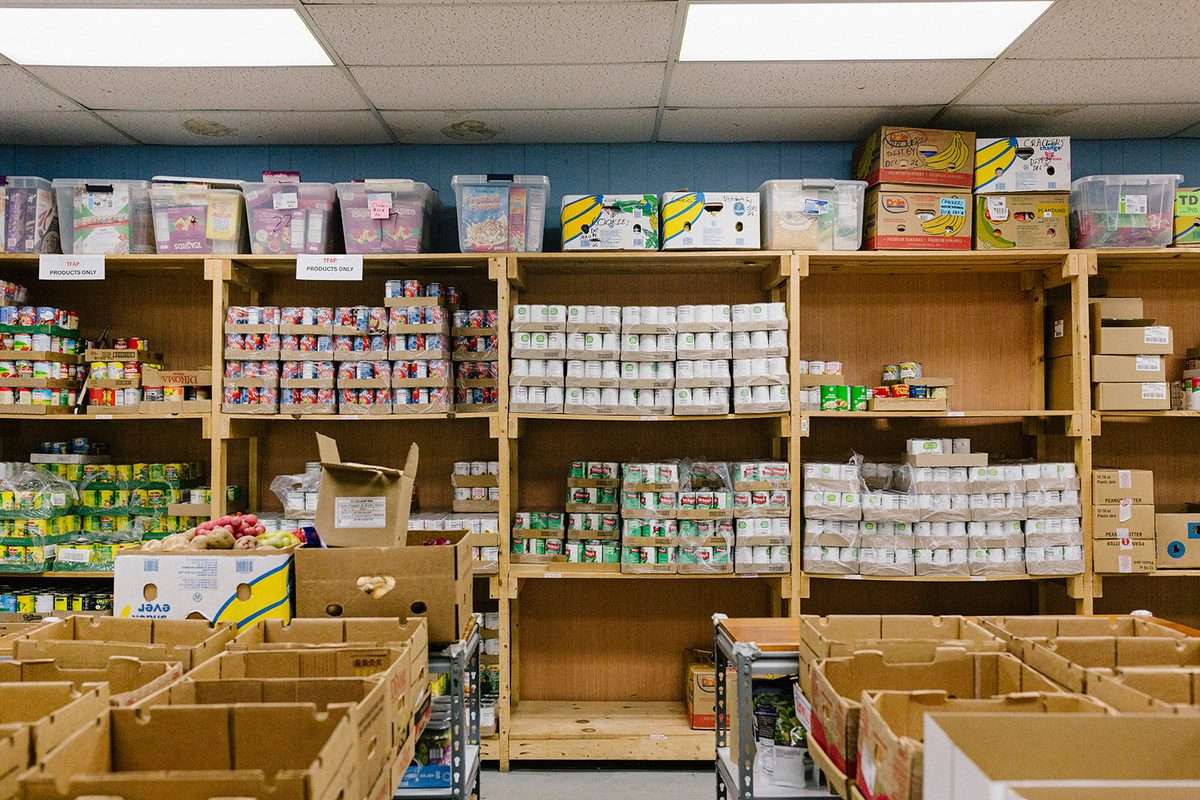
At DUMA Food Pantry, churches take turns hosting the food distribution date, rotating who does the most work on any given distribution. “Our biggest challenge was constructing the distribution path and reigning in volunteers, also getting all of the other pantries on board,” said Snyder. “Many of them had long time church members that managed their pantries and they had become very close to doing that as an in-house ministry.” To help with this, DUMA held an open house with staged areas where they would need volunteers, highlighting tasks. Through The Food Bank of Central and Eastern North Carolina, they were able to purchase each box of food for $0.19 cents. They put this estimated cost on the boxes so churches could see the cost savings, as well as the benefits of having a central location. These benefits convinced them all to join forces.
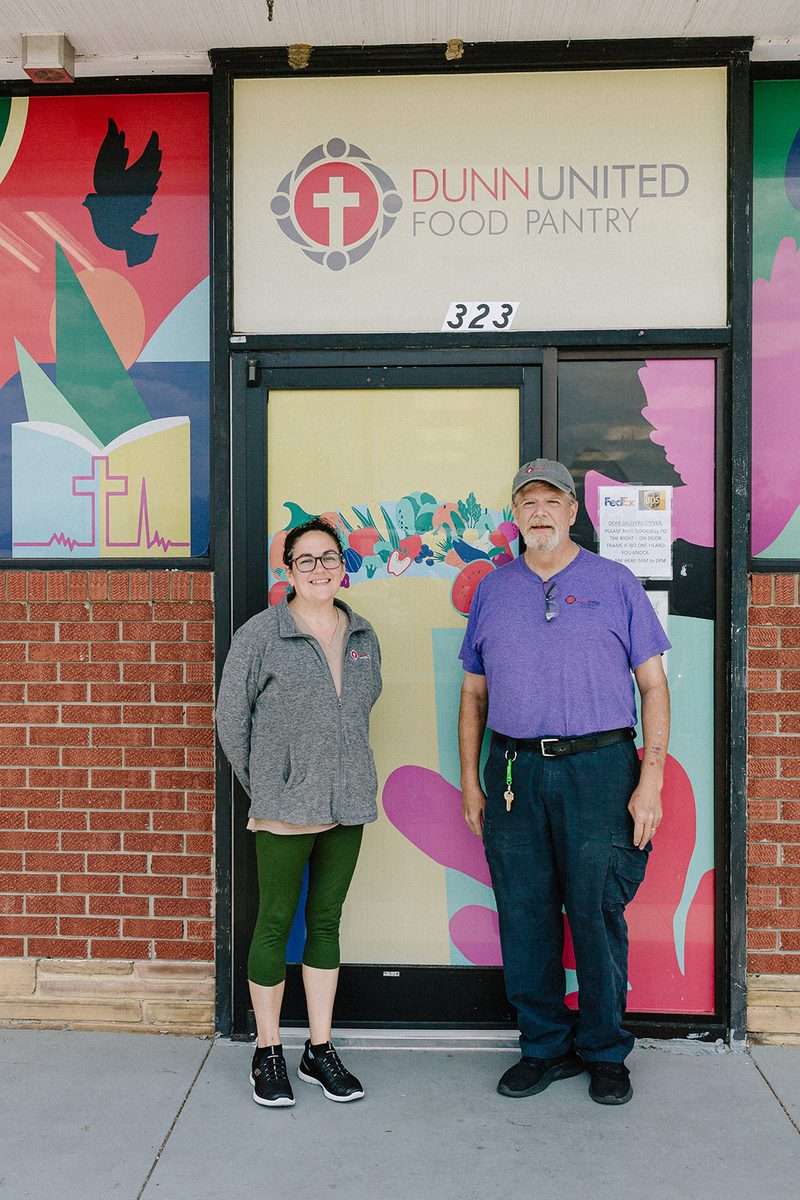
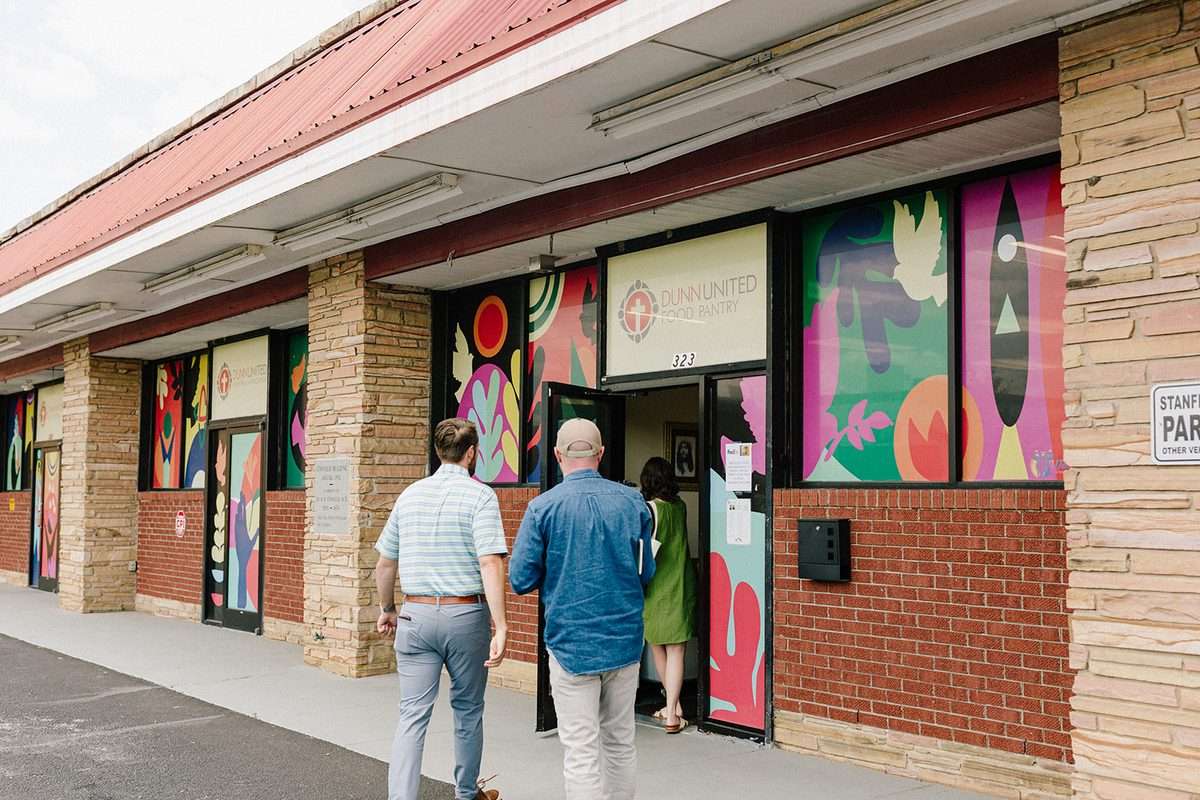
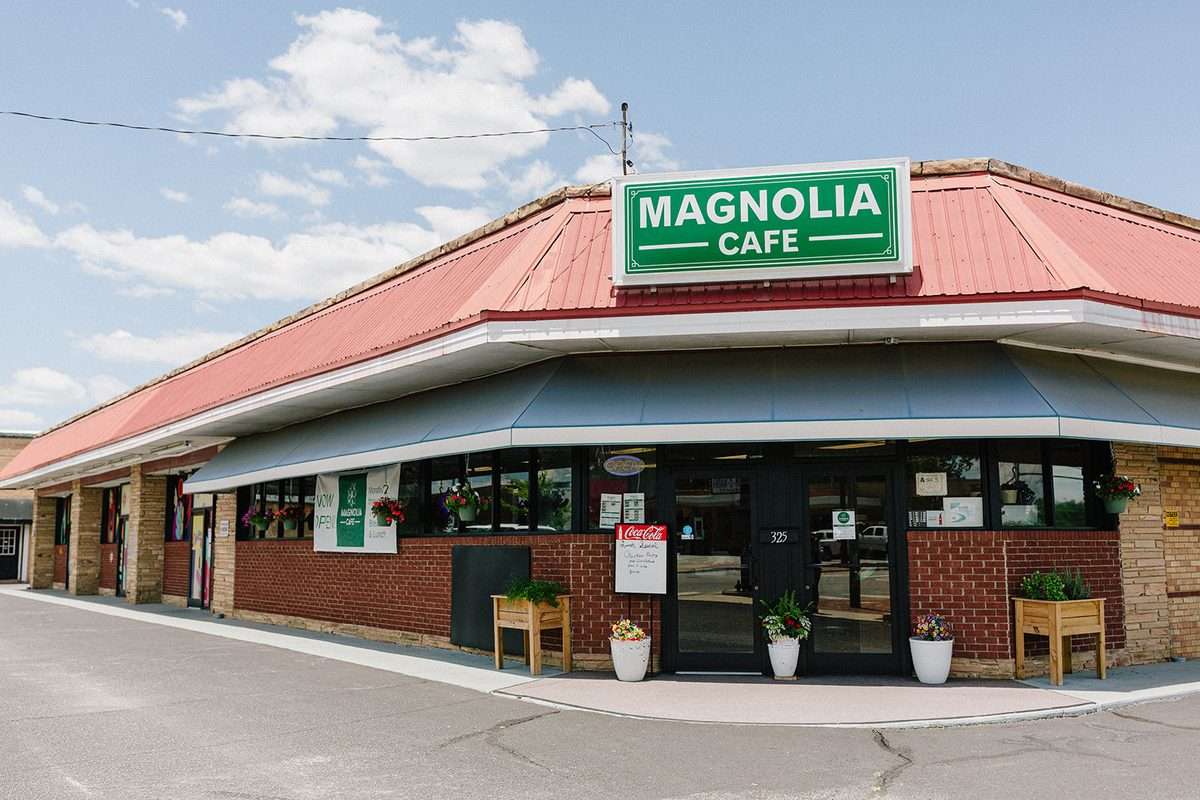
DUMA ministries go well beyond a food distribution center. Right next door is Magnolia Cafe, their pay-what-you-can restaurant. Jennifer Convery, Executive Assistant of DUMA, reflects on having another source of food close by. “We only give out food two days a month, so we have had people who have come for food and we only have a Starbucks sandwich in the fridge or a can of beans to give them, so it’s great to be able to send them next door and…serve with dignity, sit down at a table and have a hot meal and a cold lemonade.”
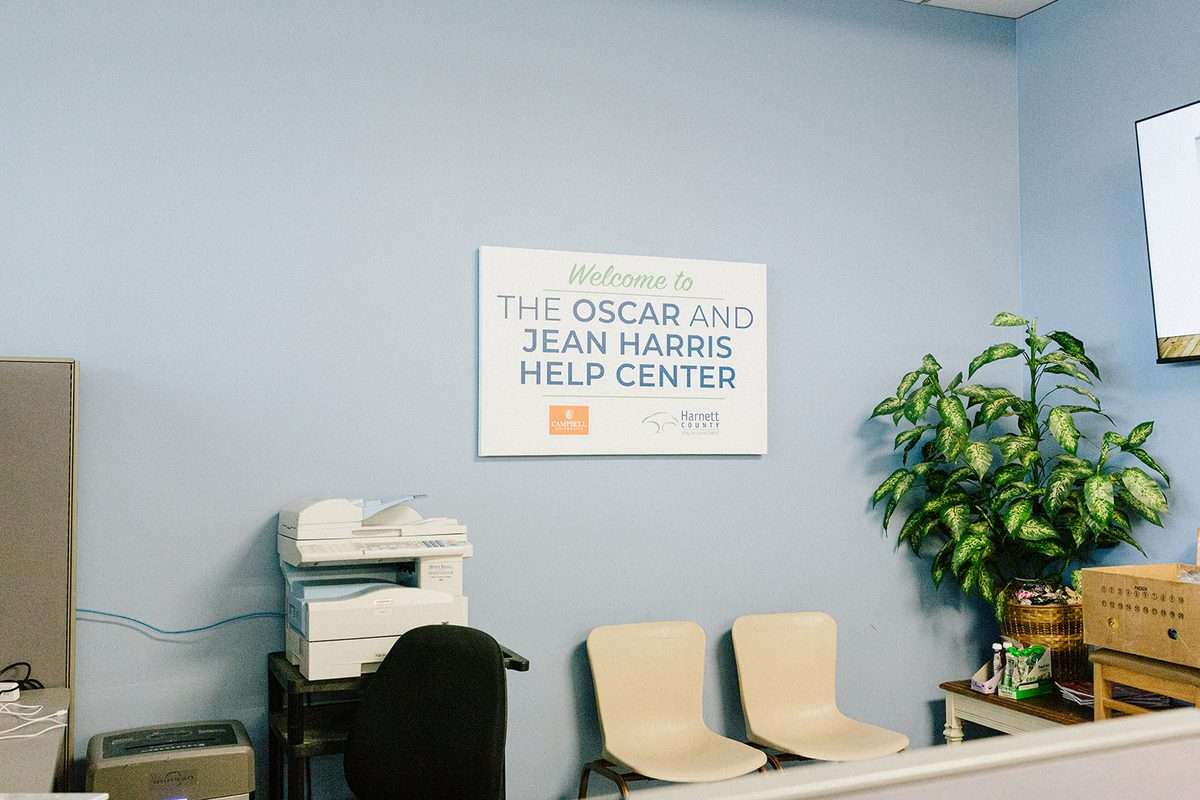
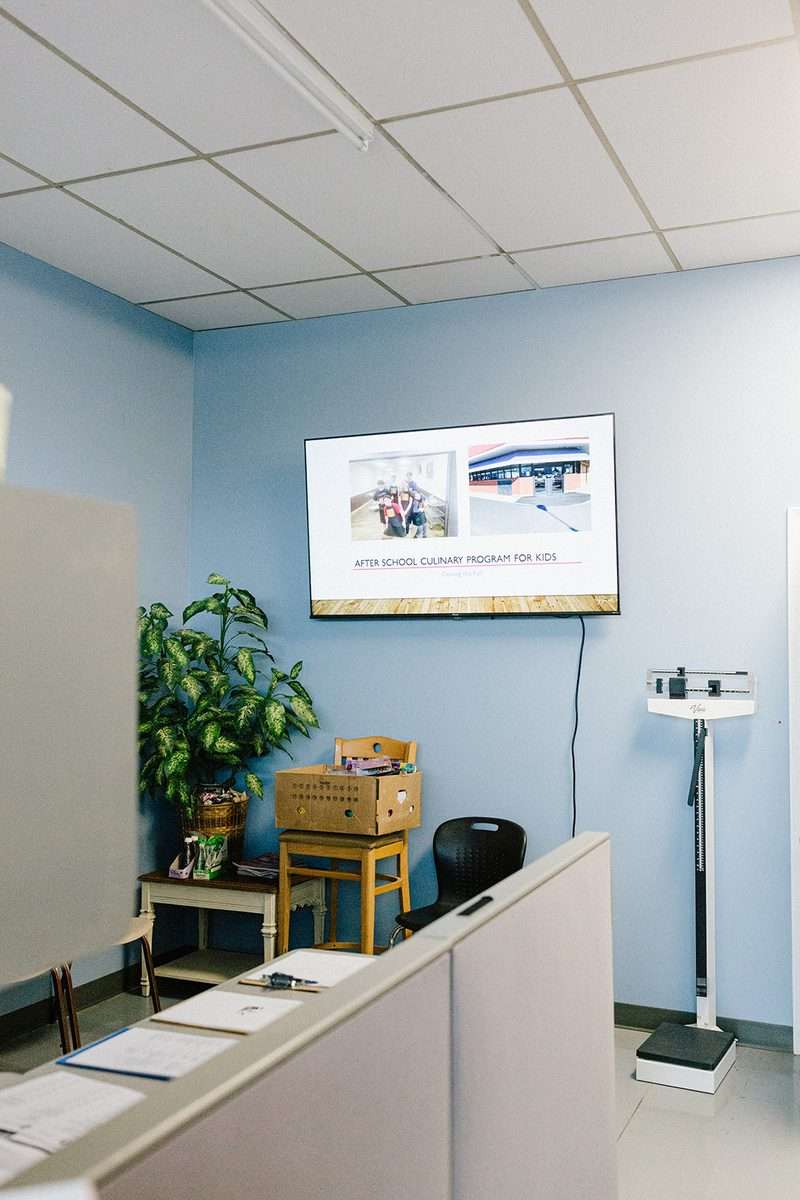
In the same building as Magnolia Cafe and the food pantry, DUMA now offers a health clinic. Oscar Harris passed away in 2020, but it was also that year that the additional space next to the pantry opened up and DUMA took it over with plans to expand services. “COVID-19 hit and Dr. Joe Cacioppo with the Campbell Community Care Clinic approached us because the students at the medical school needed clinical hours and wanted to reach people in rural areas, especially those in Dunn and the surrounding counties.” says Snyder, “Because we sat at the end of our county and in between three others, Johnston, Cumberland, and Sampson we were the perfect location to set up a temporary COVID Test center and also a place where they could administer [vaccines] when they came available and general free health screens.”
The partnership between DUMA and Campbell was such a success that by late 2021 Cacioppo approached DUMA about installing a permanent clinic in their space. This was beneficial for everyone involved, allowing students to get the clinical hours they needed, and DUMA to provide free healthcare. Snyder reflected, “Our biggest obstacle was raising the $257,000.00 to build the five examination rooms, handicapped bathrooms, and a lab. But with lots of grant writing and help from our community we opened the completed health clinic in June of 2025.”
Campbell University is there Mondays, Tuesdays, and Fridays, taking on general care one evening and offering a women’s clinic, osteopathic medicine, and a WIC clinic the remaining days. Having the WIC clinic gives health access to people without transportation to nearby towns. The Department of Social Services comes on food distribution days to offer help with SNAP enrollment or any other issues guests may have. In addition, Harnett County offers Head Start, providing free early childhood education and family services for children from birth to age five and their families, as well as Carolina Work First, offering temporary financial assistance. They have an established Buddy Backpack program and Homebound delivery program for disabled and seniors that can’t come to the pantry.
With already so much to offer, what is coming next for DUMA? For now, sustaining their services through challenging economic times. After the recent significant cuts to federal food assistance programs and the rising cost of living, Snyder said the demand for their services has almost doubled.
“Once we have navigated these storms we plan to cover a step-up program for our local schools to have volunteers offer tutoring assistance to students. We would also like to acquire a facility where we can stock and be ready with supplies as a relief center for emergencies, this way we could be proactive and have supplies ready instead of reactive to when an emergency event strikes.”
Come to the Table admires how the people of Dunn have come together to combine their resources and skills to create a mission that is holistic, effective, and much needed. Can this be emulated elsewhere? Snyder thinks so. “Dunn by comparison to other cities is a small community, if we can have an association such as this and do the amount of programs we do, any community can do it.”
Jennifer Convery shares, “I think the fact that it’s a ministerial association…from what I’ve seen a lot of churches will try to start things individually and everybody’s doing the same thing and they’re struggling, but our program brings everybody together as a community.”

The office at DUMA’s clinic One of the five examination rooms at the clinic IT Director Jamie Roberts and Executive Assistant Jennifer Convery The welcome desk at DUMA’s health clinic The entrance of Dunn United Food Pantry Some of the shelves stocked at the food pantry The entrance of Magnolia Cafe, with the entrance of DUMA Food Pantry off to the left