RAFI Staff

639 posts

RAFI Announces Farmer Grant Recipients

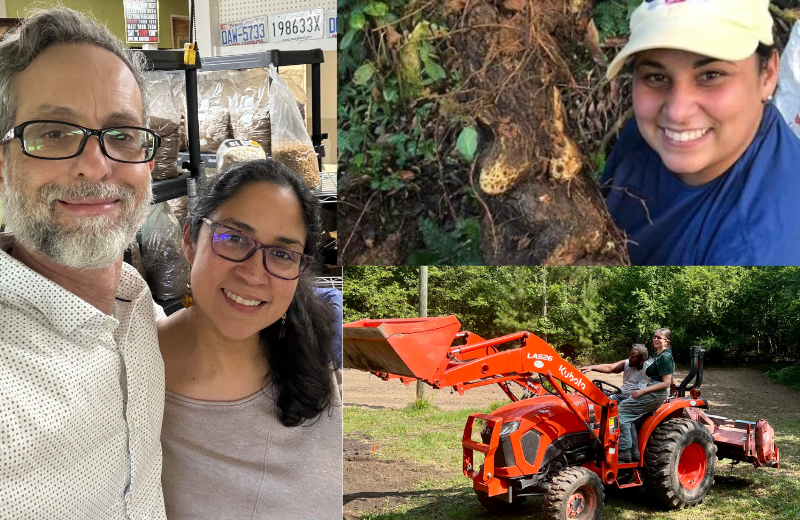
RAFI is pleased to announce its 2026 farmer grantees. This year, the program awarded $310,103 to 39 farmers across eight states, Puerto Rico, and the U.S. Virgin Islands. Since 2020, RAFI has distributed $1,722,282 to 280 farmers.
Read >
USDA Helps Organic Producers with Certification Costs

USDA’s Farm Service Agency (FSA) is now accepting applications to help with organic certification costs through the Organic Certification Cost Share Program. Learn more about the program's coverage, eligibility requirements, and application process here.
Read >

Understanding FSA Drought Assistance Programs

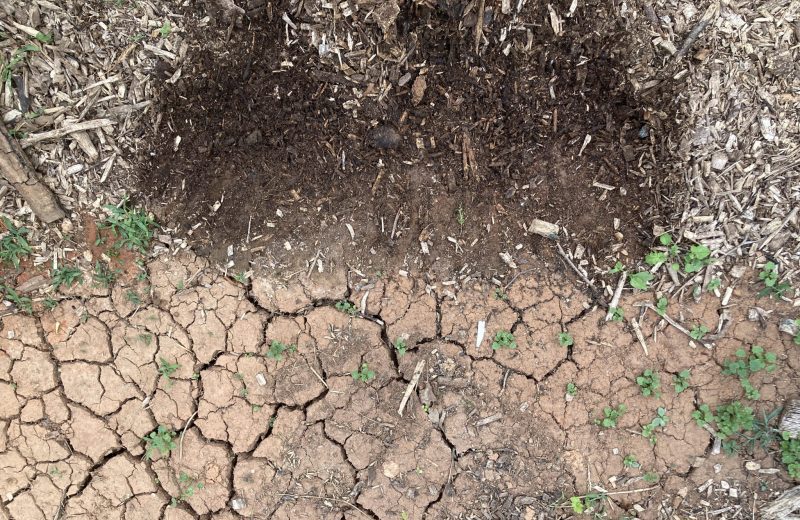
USDA Farm Service Agency has many programs that can assist farmers across the U.S., Puerto Rico, and USVI who have been impacted by drought, and RAFI technical assistance is available to help you navigate them.
Read >

The Road to Organic

Becoming USDA certified organic helps farmers demonstrate their commitment to environmental practices and communicate value to customers, but the process can be daunting. Farmers share their lessons learned from the road to organic certification, the challenges and pitfalls along the way, and advice for farmers making the shift.
Read >

Solar Futures

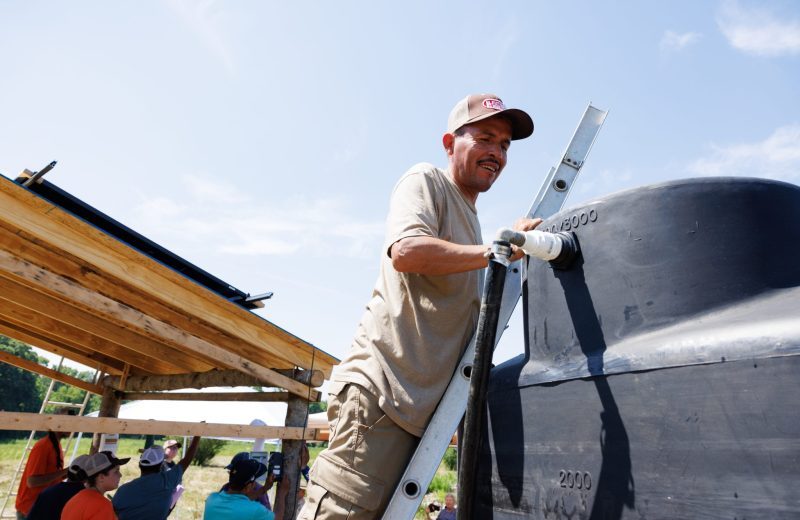
Energy prices are up, and farmers need creative solutions to keep their operations running. RAFI is using solar pumps to help farmers in Puerto Rico and North Carolina achieve energy independence.
Read >

CLOSED Southeast Cohort Project Manager

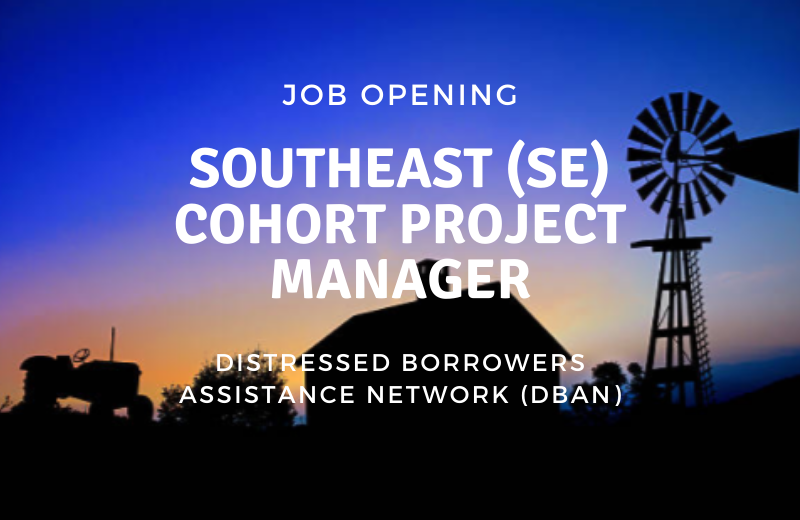
The Southeast Cohort Project Manager is a full-time RAFI role leading a regional cohort of Direct Service Providers who help Southeastern farmers navigate financial distress. Reporting to the DBAN Project Manager, duties include supervising DSPs, coordinating trainings, managing operations, and planning events.
Read >

Drought Conditions and Disaster Support for Southeast US Farmers

With much of the Southeast U.S. experiencing moderate to extreme drought conditions, RAFI presents a new guide on drought and disaster assistance for farmers. Understand current conditions and forecasts, find emergency financial assistance opportunities, and explore mitigation strategies for smaller scale producers.
Read >

Record Keeping & Reporting

Keeping accurate crop records not only helps you manage your farm business, but also can unlock access to USDA programs, loans, crop insurance, and disaster assistance. Here's some record keeping and reporting best practices for small and beginning farmers.
Read >

NRCS 2026: Step-by-Step Instructions to Apply

NRCS offers cost-share support through programs like EQIP and CSP, but applying can feel confusing — and timing matters. With a new nationwide January 15, 2026 batching deadline and a new Regenerative Pilot Program, this blog explains what’s changed and how to decide your next steps.
Read >

[CLOSED] Job Posting: Farmer Advocate

The Farmer Advocate will provide one-on-one technical assistance to financially distressed farmers, helping them assess options, access credit, and stabilize operations. This role is instrumental in achieving positive outcomes and supporting farms of all types and descriptions.
Read >
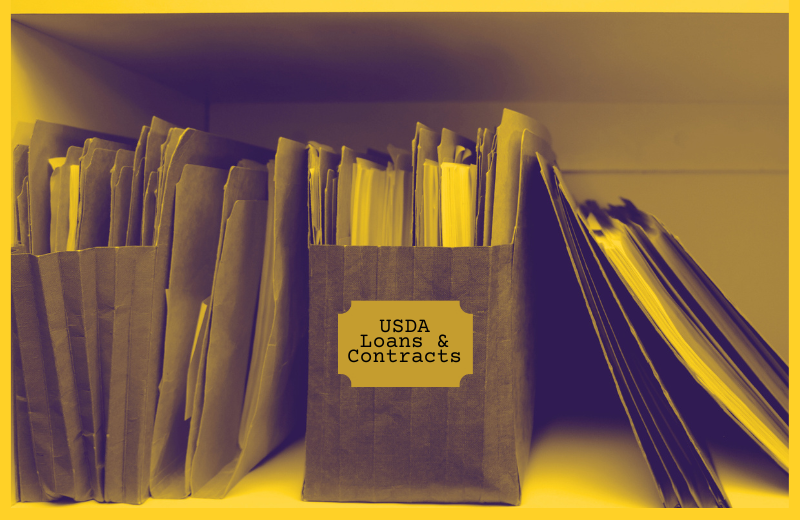
USDA paper files on shelf

The Power of a Paper Trail: Print and Save USDA Documents

Protect your farm. NPR reports DOGE staff can now view and edit sensitive USDA farmer data. Now's a good time to request hard copies of your FSA and NRCS records. In related news, USDA also ended use of the “socially disadvantaged” designation. Farmers of color and women may want to update their CCC-860 to reflect other statuses.
Read >